
S-350C
S-350C PCB Buffer Conveyor
S-350C PCB conveyor: 0.5/1.0/1.5 m rails, 50–500 mm width ranges, 900±20 mm height, 0–2 m/min, SMEMA, anti-static belt and ESD inspection surface.
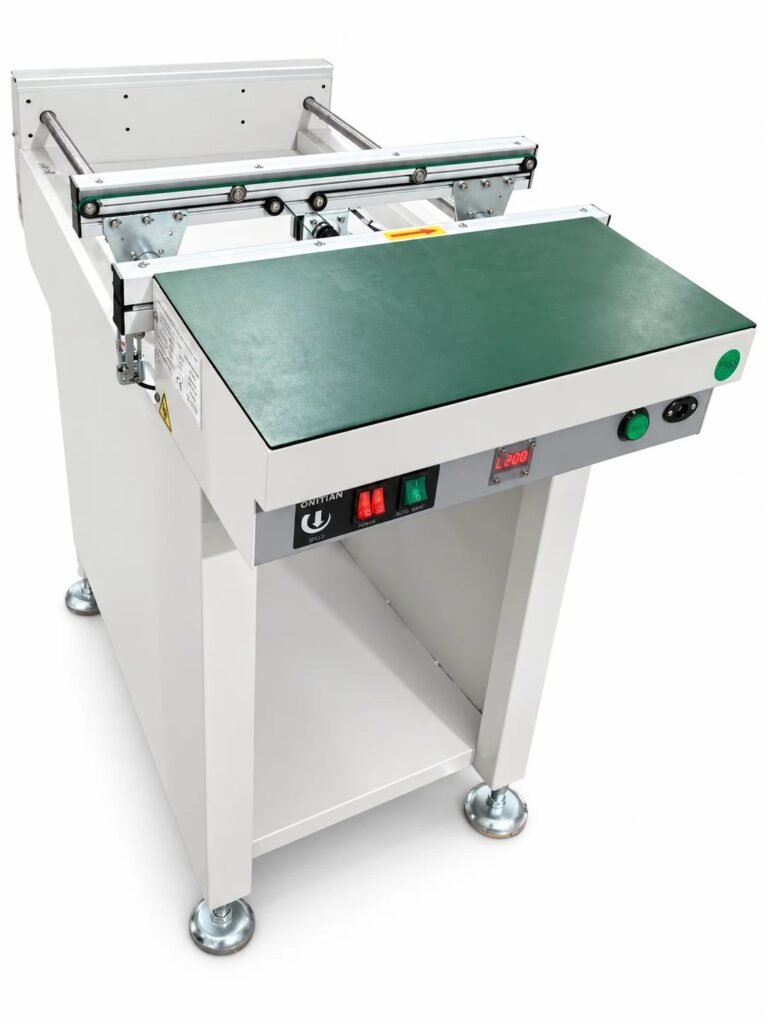
Keep boards moving between machines.
The S-350C links PCB equipment with adjustable parallel rails and gives the operator an accessible inspection position on an ESD work surface.
Rail length, width range and direction are selected for your line; SMEMA signals connect it to the machines on either side.
Specifications from www.smthelp.com (S-350C PCB Board Buffer Conveyor).
At a glance
- 0.5 / 1.0 / 1.5 m — rail length options
- 50–250/300/400/500 mm — conveyor width ranges
- 900 ± 20 mm — conveyor height
- 0–2 m/min — conveyor speed
- SMEMA — signal plug to other devices
- ≈ 40 W — power consumption
The short space between machines deserves its own specification
A board can leave one machine correctly and still arrive badly at the next.
- Unequal heights: Mismatched transfer heights cause jams and operator intervention.
- Unexpected direction: Travel direction must match the line flow.
- Weak edge support: Boards need parallel rails set to their width.
- No inspection position: Squeezed conveyors leave poor access for checking boards.
S-350C features — Feature, Advantage, Benefit
Four functions from the S-350C specification.
Rails: Parallel width adjustment
Exact thread shaft structure.
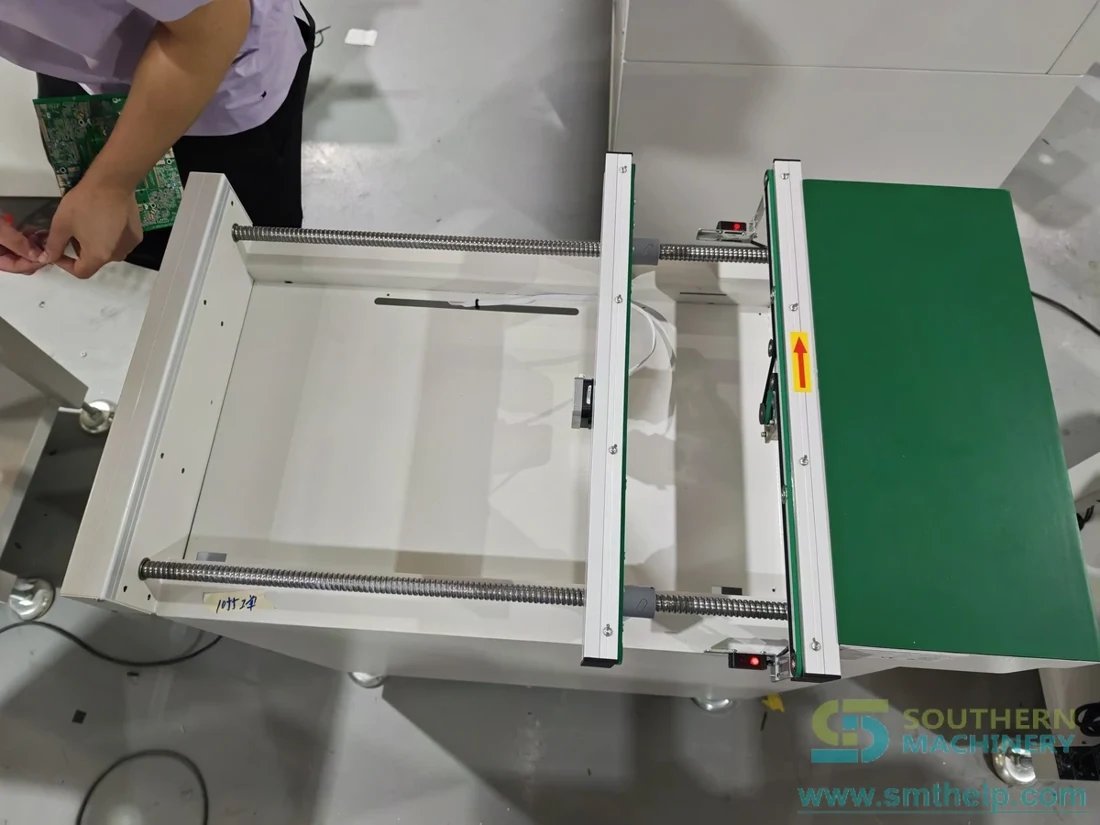
- Feature: An exact thread shaft structure keeps the rails parallel during width adjustment; strengthened aluminium alloy rails with durable anti-static belts.
- Advantage: Boards are supported on both edges at every width.
- Benefit: Reliable transfer with less board damage.
Key points: Parallel rails · Anti-static belt · Aluminium alloy rail
Interface: SMEMA communication
Talks to the machines on either side.
- Feature: Communicates with other devices through a SMEMA signal plug; relay board control with 2 sensors (without stopper).
- Advantage: Boards move only when the next machine is ready.
- Benefit: No collisions or stalled boards at the handoff.
Key points: SMEMA · Relay board · 2 sensors
Inspection: Operator work surface
Inspection position on the line.
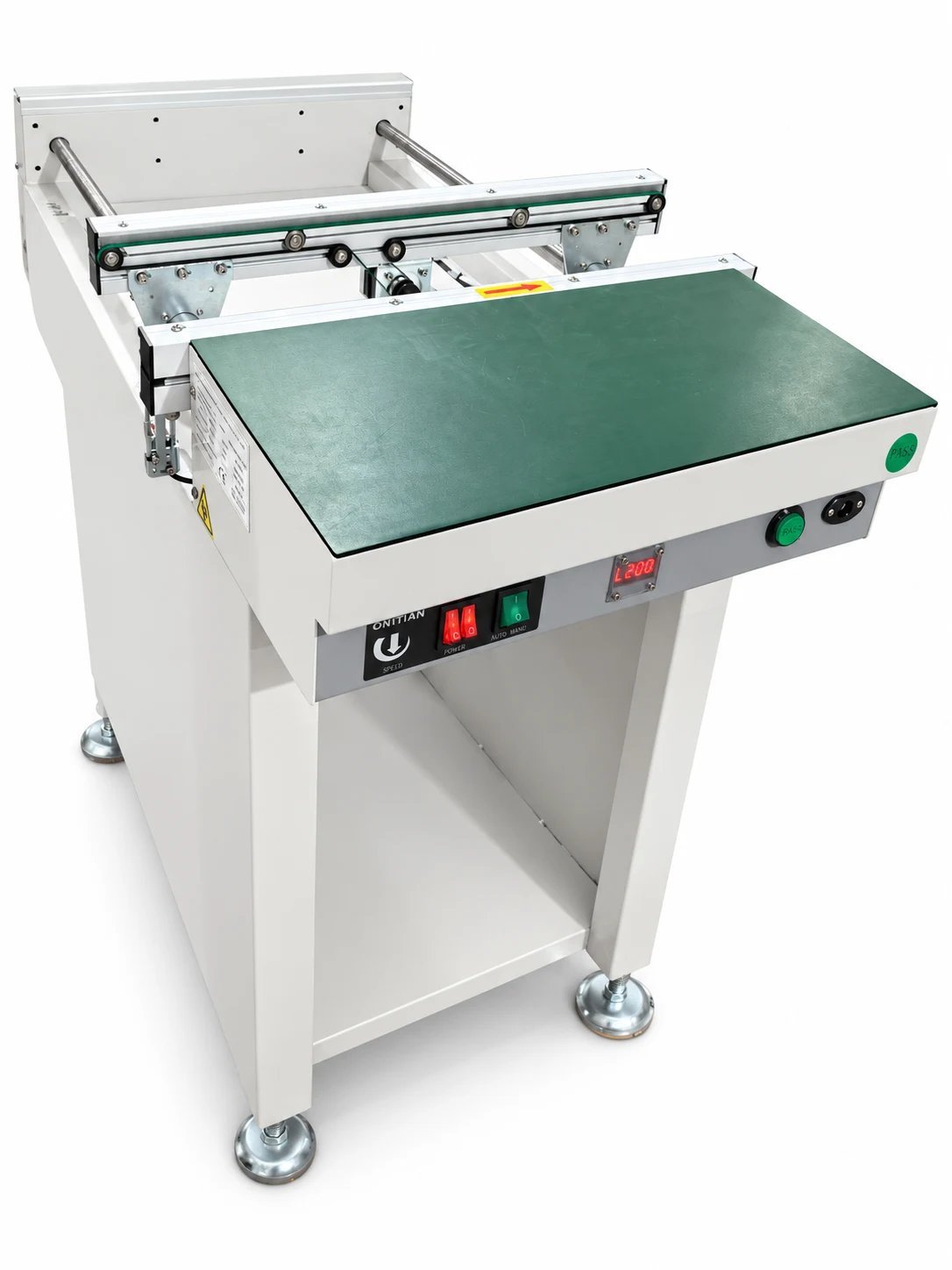
- Feature: A green ESD work surface beside the fixed rail gives the operator a defined working area next to the transport path.
- Advantage: Boards can be checked without leaving the line.
- Benefit: Visual inspection becomes a station, not a detour.
Key points: ESD work mat · Front fix rail · Accessible position
Configuration: Configured for your line
Length, width, direction.
- Feature: Rail length 0.5, 1.0 or 1.5 m; width ranges up to 250, 300, 400 or 500 mm; L→R or R→L; front-fixed rail with rear-fixed option.
- Advantage: One conveyor family covers different line gaps and board sizes.
- Benefit: Consistent spares and setup across the plant.
Key points: 0.5–1.5 m · L→R or R→L · Front / rear fix
S-350C specifications
All values from www.smthelp.com.
Specification
| Parameter | S-350C |
|---|---|
| Conveyor rail length | 0.5 m; 1.0 m; 1.5 m |
| Rail fix mode | Front fix (option: rear fix) |
| Conveyor direction | L→R (or R→L) |
| Control system | Relay board (2 sensors, without stopper) |
| Conveyor height | 900 ± 20 mm |
| Conveyor width | 50–250 / 300 / 400 / 500 mm |
| Conveyor speed | 0–2 m/min |
| Communication | SMEMA signal plug |
| Rail width adjustment | Exact thread shaft structure keeps rails parallel |
| Belt and rail | Durable anti-static belt, strengthened aluminium alloy rail |
| Power consumption | Approx. 40 W |
| Power supply | Single phase 220 V, 50 Hz |
| Weight | Approx. 70 kg |
| Work surface | ESD work mat beside the rail (product page) |
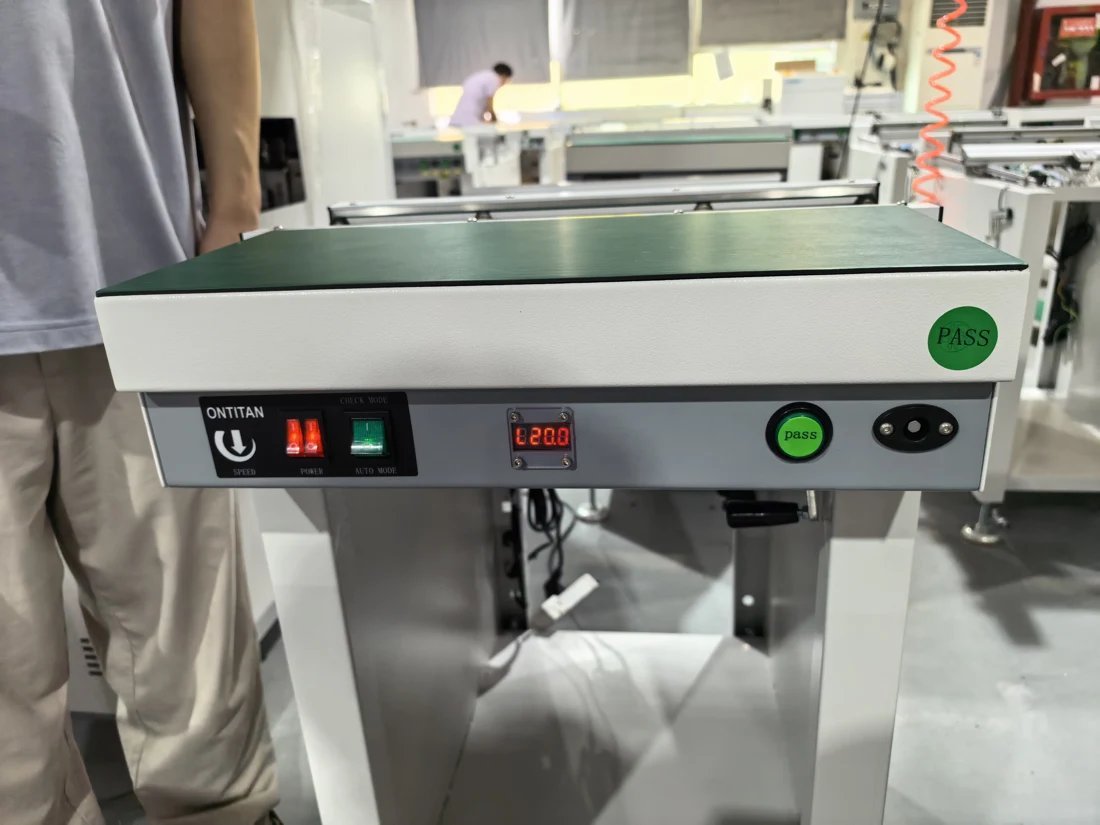
The photographed machine has a 0.5 m rail. Final length, width range and electrical configuration are agreed in the quotation.
Compatibility and interfaces: SMEMA, ESD belt, Inspection station, Line transfer
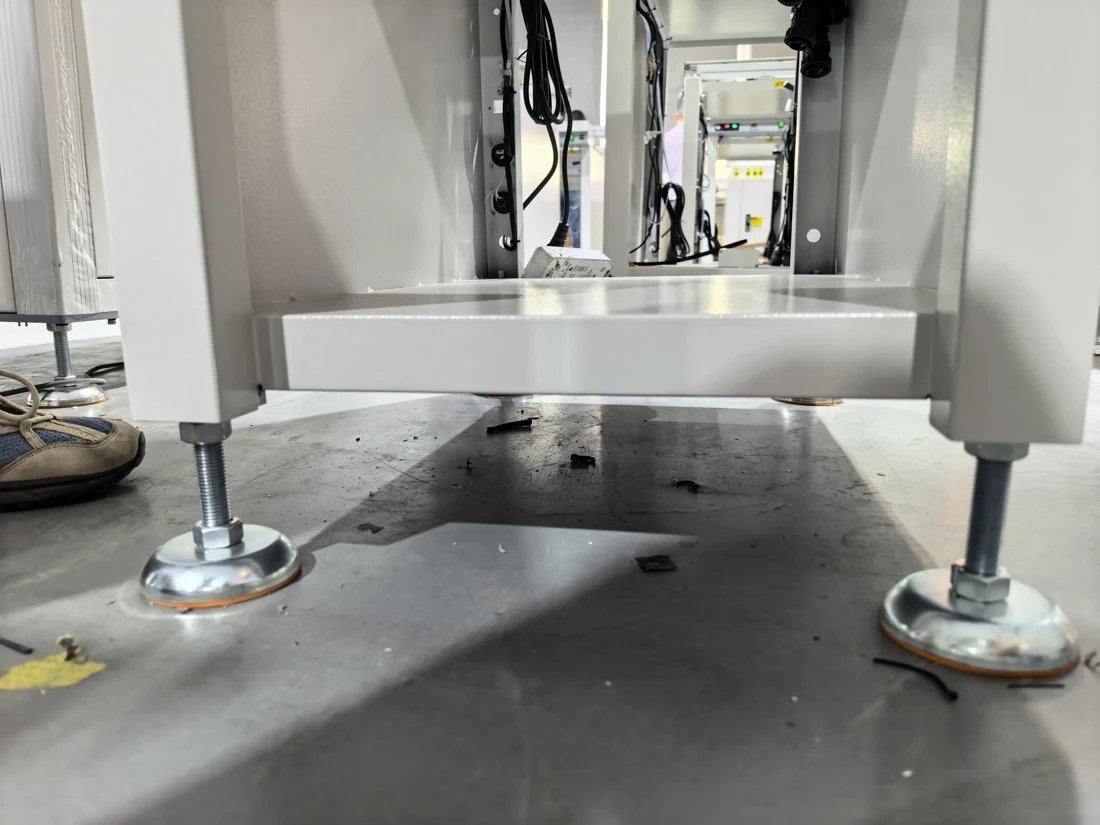
S-350C machine and details
Watch the equipment
Plan the handoff before installation
- 1 · Share the board — PCB size, thickness, board edge and component clearance.
- 2 · Check the interface — Direction, transfer height and adjacent equipment.
- 3 · Review the layout — Rail length, footprint and access.
- 4 · Approve the configuration — Specification and a transfer trial agreed in writing.
Frequently asked questions
Which rail lengths are available?
0.5 m, 1.0 m and 1.5 m.
What board widths does it take?
Width ranges of 50–250, 50–300, 50–400 or 50–500 mm, selected at order.
How fast does it convey?
0–2 m/min, adjustable.
Will it connect to my machines?
Yes, through a SMEMA signal plug. Conveyor height is 900 ± 20 mm and direction L→R or R→L.
What do you need for a quotation?
PCB size and thickness, board-edge clearances, rail length, transfer height, direction and the adjacent equipment.
Engineering Review
Send PCB details for a practical machine recommendation.
Useful details: PCB type, board size, component list, monthly volume, current worker count, line layout and target automation goal.
Next step: Send your PCB range, line layout and the machines on either side; we return an S-350C configuration and quotation.
Engineering Review
Send PCB details for a practical machine recommendation.
Useful details: PCB type, board size, component list, monthly volume, current worker count, line layout and target automation goal.
Send your PCB range, line layout and the machines on either side; we return an S-350C configuration and quotation.